Understanding Micronutrients: Vitamins and Minerals for Vitality
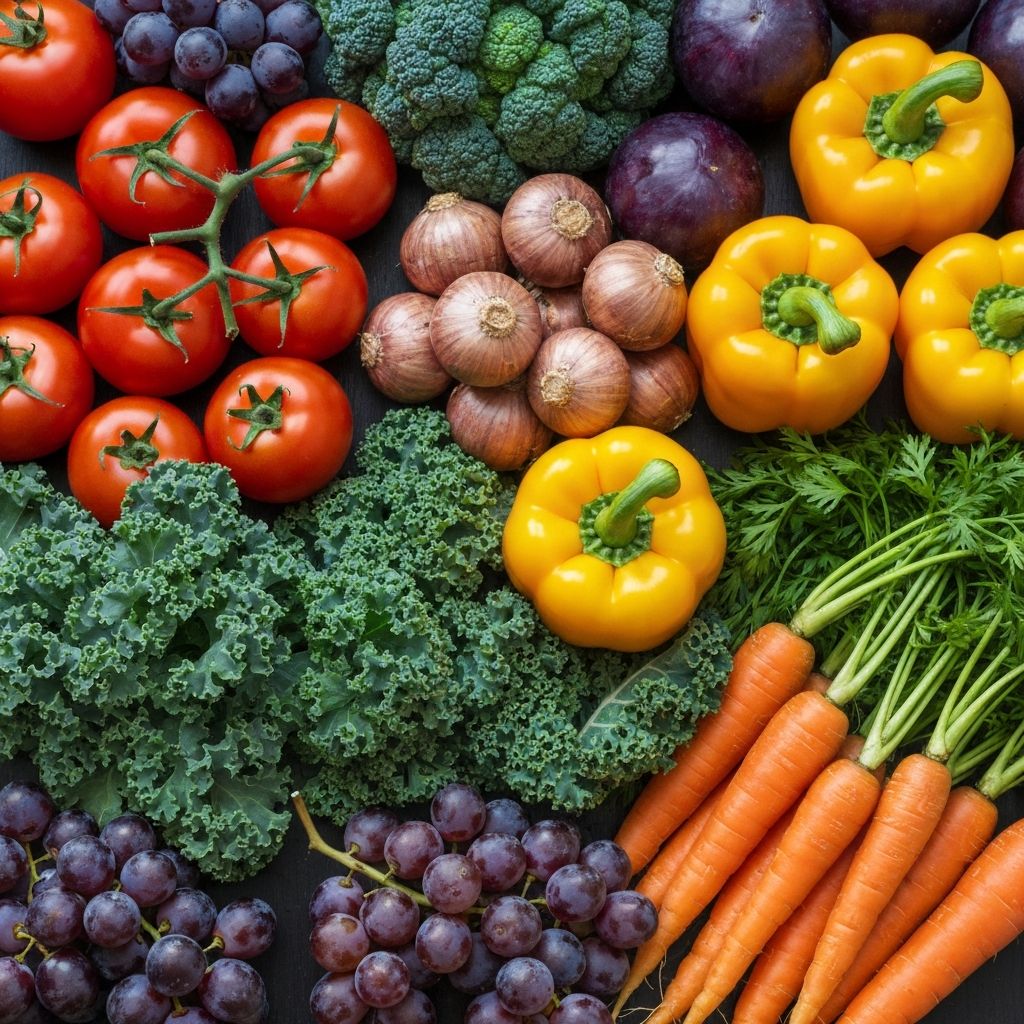
Micronutrients are essential compounds needed in smaller quantities but serving critical functions throughout the body. Vitamins and minerals support energy production, immune function, bone health, and countless other physiological processes.
What Are Micronutrients?
Micronutrients are nutrients required in relatively small amounts but essential for health and survival. They include vitamins and minerals. Unlike macronutrients, they do not provide energy directly but serve as cofactors in enzymatic reactions and support vital physiological functions.
Vitamins: Organic Compounds
Vitamins are organic compounds synthesized by plants and animals. The body cannot manufacture most vitamins, so they must come from dietary sources. Vitamins support energy metabolism, immune function, bone health, and numerous other processes.
Fat-Soluble Vitamins: Vitamins A, D, E, and K dissolve in fat. They are stored in body fat and accumulate over time. Dietary fat aids their absorption. Fat-soluble vitamins support vision, calcium regulation, protection from oxidative damage, and blood clotting.
Water-Soluble Vitamins: B vitamins and vitamin C dissolve in water. They are not stored long-term and must be consumed regularly. Water-soluble vitamins support energy production, nervous system function, and immune response.
Minerals: Inorganic Elements
Minerals are inorganic elements found in soil and water. They are incorporated into plants, which humans consume either directly or through animals that eat plants. Minerals support bone structure, muscle function, fluid balance, nerve transmission, and enzyme function.
Major Minerals: Calcium, phosphorus, magnesium, sodium, potassium, and chloride are needed in relatively larger quantities. Calcium and phosphorus support bone structure. Magnesium supports muscle and nerve function. Sodium and potassium regulate fluid balance.
Trace Minerals: Iron, zinc, copper, selenium, iodine, and manganese are needed in smaller quantities but serve essential functions. Iron carries oxygen in blood. Zinc supports immune function. Iodine supports thyroid function.
Key Vitamins and Their Functions
Vitamin A
Supports vision, immune function, and skin health. Found in orange and leafy green vegetables, eggs, and dairy. Beta-carotene in plant sources converts to vitamin A in the body.
B Vitamins
The B vitamin complex (B1, B2, B3, B5, B6, B7, B12, and folate) supports energy production from food and nervous system function. Found in whole grains, legumes, meat, eggs, and dark leafy greens. Each B vitamin has specific functions in metabolism.
Vitamin C
Supports immune function, collagen formation, and antioxidant protection. Found abundantly in citrus fruits, berries, bell peppers, and leafy greens. Water-soluble, so not stored long-term.
Vitamin D
Supports calcium absorption and bone health, immune function, and mood regulation. Synthesized by the skin in sunlight, but also found in fatty fish, eggs, and fortified dairy. Deficiency is common in northern climates with limited winter sunlight.
Vitamin E
Protects cells from oxidative damage as an antioxidant. Found in nuts, seeds, vegetable oils, and leafy greens. Supports cardiovascular and immune health.
Vitamin K
Essential for blood clotting and bone metabolism. Found in leafy green vegetables, broccoli, and brussels sprouts. The body can partially synthesize vitamin K through gut bacteria.
Key Minerals and Their Functions
Calcium and Phosphorus
Form the mineral structure of bones and teeth. Support muscle contraction and nerve transmission. Dairy products, leafy greens, fortified plant-based milks, and legumes provide these minerals.
Magnesium
Supports muscle and nerve function, energy production, and bone health. Found in nuts, seeds, whole grains, leafy greens, and legumes.
Iron
Essential for oxygen transport in blood. Animal sources (heme iron) are more readily absorbed than plant sources (non-heme iron). Found in meat, poultry, legumes, fortified grains, and leafy greens. Vitamin C enhances iron absorption from plant sources.
Zinc
Supports immune function, wound healing, and protein synthesis. Found in meat, shellfish, legumes, nuts, and seeds.
Iodine
Essential for thyroid hormone production and metabolism regulation. Found in seafood, dairy, eggs, and iodized salt.
Obtaining Micronutrients Through Varied Foods
The most effective approach to obtaining micronutrients is eating a varied diet encompassing different food groups and colors. Different plants and animals provide different micronutrient combinations.
Colorful Vegetables and Fruits: Different colors indicate different phytonutrients and micronutrient compositions. Red tomatoes provide lycopene and vitamin C. Orange carrots provide beta-carotene. Leafy greens provide multiple vitamins and minerals. Including variety ensures broad micronutrient intake.
Whole Grains: Retain the nutrient-rich germ and bran, providing B vitamins, magnesium, and selenium. Refined grains lose much of this nutritional content.
Legumes: Beans, lentils, and peas provide iron, zinc, folate, and magnesium alongside protein and fiber.
Animal Products: Meat, fish, eggs, and dairy provide bioavailable forms of various minerals and B vitamins, including vitamin B12 found naturally only in animal products.
Micronutrient Deficiency
Deficiencies occur when intake of specific micronutrients falls below the body's requirements. Different populations have different risk levels for various deficiencies based on dietary patterns, health status, and geographic factors.
Addressing deficiencies typically involves dietary changes to increase consumption of foods containing the lacking micronutrient. In some cases, professional guidance may be appropriate.
Micronutrient Glossary
Individual Needs Vary
Micronutrient requirements vary between individuals based on age, sex, life stage (pregnancy, lactation, growth), activity level, and health status. Different populations have different dietary practices and access to varied foods, affecting micronutrient intake.
A varied diet incorporating different food groups and colors typically provides adequate micronutrients for most individuals. However, specific situations may warrant professional evaluation and guidance.
Educational Note: This article provides educational information about micronutrients. It does not constitute medical advice or supplement recommendations. Consult with a qualified healthcare provider or registered dietitian for guidance specific to your individual situation.
Continue Exploring Nutrition
Deepen your understanding of nutritional science and health.
Read About Hydration → Back to Articles